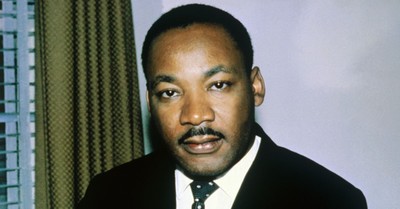
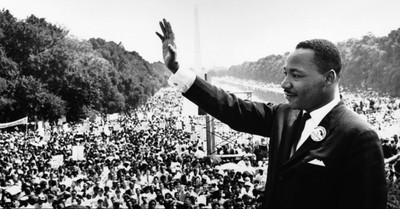
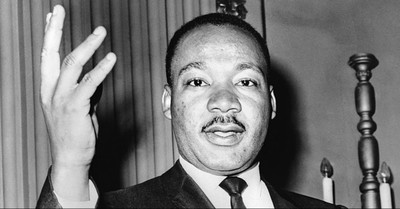
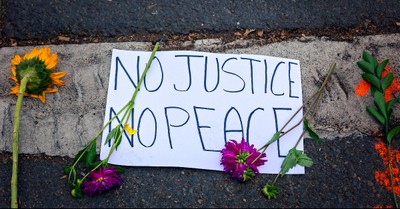
The media will honor Dr. King’s legacy, but they’ll skip the one title that defined him: Reverend. This tribute takes you back to the pulpit where it all began, with King’s own words anchored in Scripture and truth.
Freedom isn’t just political—it’s spiritual. See how Scripture shows that your dignity and worth are rooted in something far more powerful than human opinion.
In this article, I’ll share some of Dr. King’s most powerful quotes—words that still speak to us today—and explore practical ways we can use them as a guide to celebrate his legacy and make a difference in the world.
Christians should celebrate Juneteenth because it is the anniversary of the day when our fellow brothers and sisters were finally set free. This beautiful holiday can show how far we have come in seeking unity.
Juneteenth was first proclaimed June 19, 1865, when previous slaves in Galveston, Texas, were declared free. This day not only represented independence and political liberty, but a new way of life.
Perhaps King, of anyone in America, had the greatest impact and influence on not only African Americans but on all Americans and throughout the world. This is why Americans of all colors should honor him and affirm their own commitment to fighting for equality and justice.
While Dr. King is well-known for being a civil rights activist, he was first a minister and his faith served as the foundation for his commitment to achieving social justice for all.
It is a daily challenge to keep my heart soft and attuned to God’s heart toward the oppressed, the unfortunate, the marginalized, and in this particular case those who are ethnically and racially not like me.
Be inspired by these glimpses into the lives of Seven Christian Black women motivated by the truth of Scripture to impact change in the church and society.
We all long for justice, and we can all tell that the world is not a just place. But should we leave justice up to God, or seek to achieve it ourselves?
As white Americans, seeing people that look like us in the media, books, and our skin color is not a factor in our lives. But this is not true for all people. We can’t let our privilege hold us back from empathizing and lamenting with those that live conscious of their skin tone every day of their lives.
There is a lack of Scriptural support for “ignoring or not seeing race.” And if passages like Galatians 3:28 and Colossians 3:11 are the best that can be offered in defense of this position, we can safely conclude that such colorblindness is based on a misunderstanding and misapplication of Scripture.
Instead of allowing ourselves to go through this perpetual cycle of society being in an uproar about race, then later forgetting the issue existed, let’s map out practical steps we can take to end racism within ourselves. While we can’t change people, we can change ourselves. But before that, we need to understand what this concept of race really means.
Salem Media, our partners, and affiliates use cookies and similar technologies to enhance your browsing experience, analyze site traffic, personalize site content, and deliver relevant video recommendations. By using this website and continuing to navigate, you consent to our use of such technologies and the sharing of video viewing activity with third-party partners in accordance with the Video Privacy Protection Act and other privacy laws.Privacy Policy